
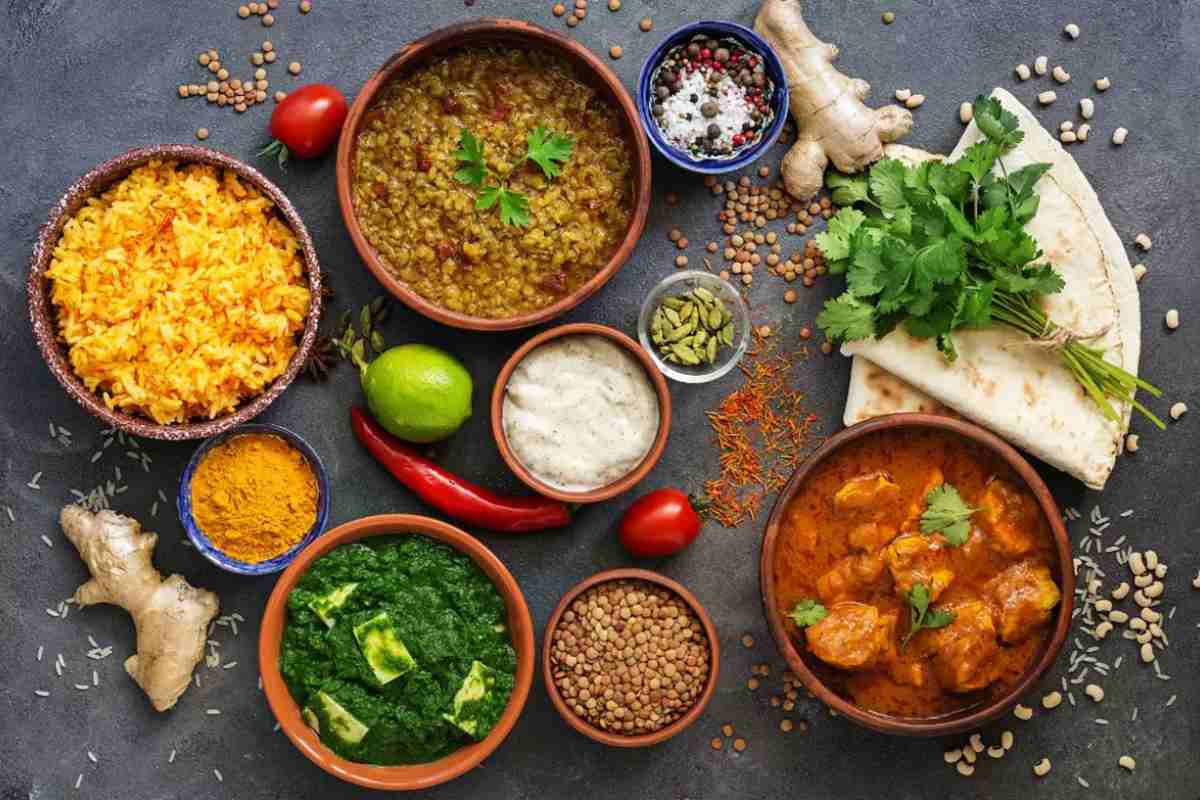
According to Ayurveda, infertility happens when a person’s reproductive tissues, or Shukra dhatu, lack proper nourishment.
The Ayurvedic diet for infertility aims to build healthy reproductive tissues, or Shukra dhatu. The food we eat is digested and nourishes all the body’s tissues in the following sequence: Rasa Dhatu – Rakta Dhatu – Maans Dhatu – Meda Dhatu – Asthi Dhatu – Maja Dhatu – Shukra Dhatu. Therefore, if the diet is not followed, even medication will not be effective.
Ayurvedic Diet for Infertility
Ojas is the byproduct of Shukra dhatu. Therefore, it is crucial to focus on foods that nourish Ojas. This helps regulate the menstrual cycle, especially ovulation, and increases the chances of a healthy beginning.
Foods that Improve Fertility
Key Foods to Stimulate Shukra Dhatu and Ojas
- Ghee,
- Saffron,
- Nuts,
- Pumpkin seeds,
- Dates,
- Sesame seeds,
- Honey,
- Milk,
Whole Foods
Olive vegetables and fruits are rich in fibre and contain a wide range of nutrients. They are also very beneficial for maintaining hormonal balance.
Fruits:
- Dates,
- Mango,
- Blueberries,
- Kiwi,
- Apples,
- Grapes,
- Pomegranates,
- Avocados,
- Pears,
- Plums,
- Cranberries
Vegetables:
- Beans,
- Peas,
- Asparagus,
- Broccoli,
- Spinach,
- Pumpkin,
- Tomatoes,
- Beets,
- Red peppers
Dried Fruits:
- Dates,
- Figs,
- Raisins,
- Almonds,
- Walnuts
Spices —
Spices play an important role in nutrition. In Ayurveda, they are called prakshalana dravya. They possess properties such as dipaniya and pachaniya, meaning they improve digestion and balance the production of beneficial enzymes.
Ajwain seed powder,
- Cumin (washes the uterus in women and the genitourinary system in men),
- Turmeric (improves the interaction between hormones and target tissues),
- Black cumin increases fertility,
- Sesame seeds: their phytochemicals help balance hormones.
Foods to Avoid:
Avoid processed carbohydrates, excess starch, meat, dairy, and canned foods that contain antibiotics and hormones.
Evade foods high in trans fats, such as cakes, cookies, and fried fast food. They clog arteries, affect fertility, and damage the heart and blood vessels.
Avoid foods containing preservatives and other chemicals, such as artificial sweeteners. These include soft drinks, chewing gum, gelatin, baked goods, candy, fruit juices, and ice cream.
Avoid monosodium glutamate (MSG), which is often used in inexpensive Chinese takeout.
Avoid potato chips, frozen meals, processed meats, sauces, ranch dressing, salty snacks, and artificial flavours and colours.
Excessive consumption of alcohol, caffeine, tobacco, carbonated beverages, smoking, red meat, and refined carbohydrates such as pasta, white bread, and rice increases and worsens female infertility.
Maintain A Healthy Weight
Both being overweight and underweight can reduce your chances of conceiving. Being underweight can inhibit the reproductive system due to the body’s inability to support a pregnancy. On the other hand, being overweight or obese also reduces the chances of conception.
Adopt an Ayurvedic diet to maintain a healthy weight and improve your chances of conceiving. Eat small, regular, and balanced meals to promote overall health.
It is essential to include a variety of foods in your diet to ensure your body receives all the necessary nutrients for a successful conception. Ayurveda recommends trying new fruits and vegetables as often as possible to avoid a monotonous diet.
Ayurvedic Diet for Infertility Based on Your Dosha
According to Ayurveda, the menstrual series is an indicator of women’s health. It can be influenced by many factors that cause an imbalance in the doshas.
The doshas control bodily functions. These are Vata, Pitta, and Kapha. Imbalances in the doshas should be addressed through proper nutrition.
Infertility Diet for Vata Type
If you have a Vata yinequity, choose well-cooked, moist, warm, and nourishing foods. Consume milk and ghee with spices that stimulate digestion and nourish the reproductive tissues (Shukra dhatu).
Infertility Diet for Pitta Type
If you have a Pitta imbalance, primarily choose fresh and nourishing foods. Consume milk and ghee at room temperature with cooling spices, which nourish the reproductive tissues (Shukra dhatu) and support cervical mucus production.
Diet for people with Kapha imbalance and infertility
If you have a Kapha imbalance, choose warm and light foods. Eat in moderation.