
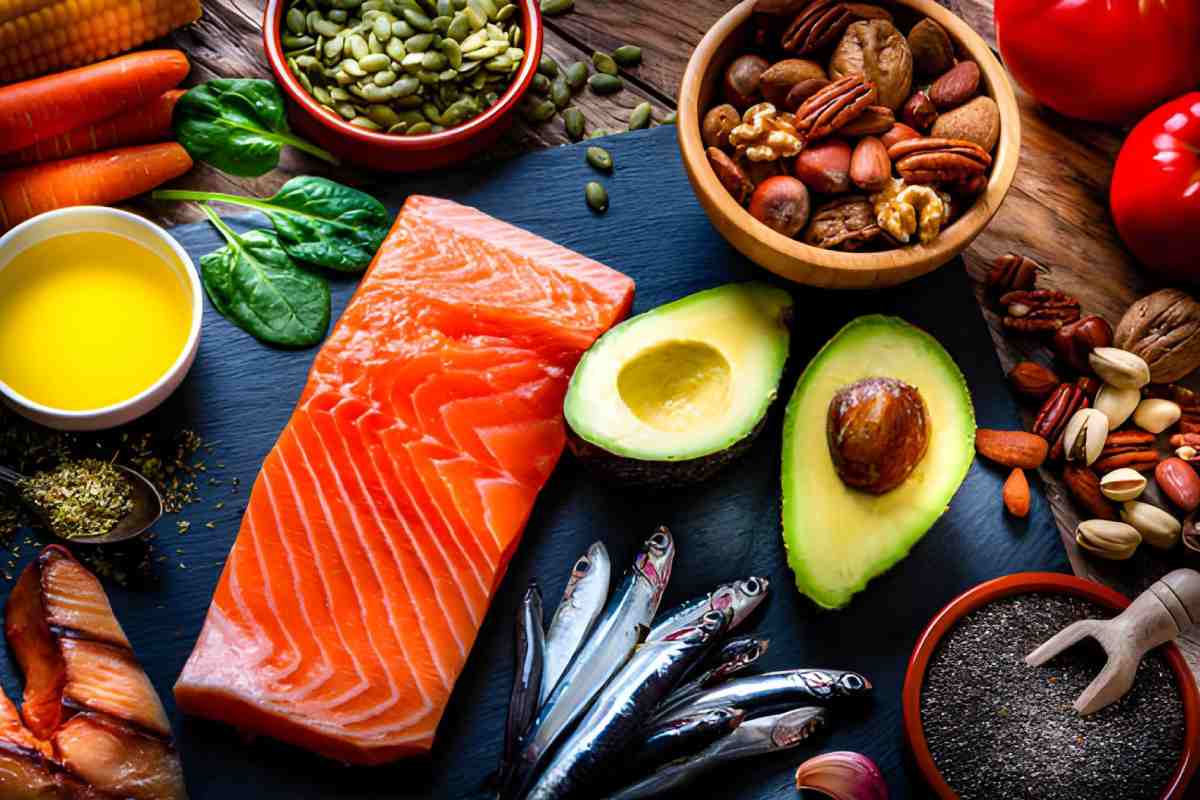
For many people, the Atkins diet and the ketogenic (Keto) diet are the same. However, for staunch adherents of either camp, one is far superior to the other. Of course, while they share similarities, there are fundamental differences that set them apart. If you are considering adopting either of these diets, it is essential to be aware of these differences and understand how they might affect you.
Although the Atkins diet is a form of ketogenic diet, the “classic” ketogenic diet and the “classic” Atkins diet differ in several key ways. It is precisely these differences that we will focus on here.
Atkins
Although the Atkins diet gained popularity before the ketogenic diet, the latter actually appeared first. Ketogenic diets were presented in the 1920s to treat epilepsy. Dr Atkins introduced “ketosis” to the over-all public in 1972 in his book titled *Dr. Atkins’ Diet Revolution*. This book was based on a simple principle: to burn fat, it is necessary to reduce carbohydrate intake to force the body into a state of ketosis—that is, a fat-burning phase.
Benefits
In adding to weight loss, the Atkins diet offers various health benefits. It helps regulate blood sugar levels, making it particularly suitable for people with diabetes. Furthermore, this diet excludes processed foods and added sugars. The Atkins diet is also much less restrictive than a strict ketogenic diet. With the Atkins diet, counting calories is rarely necessary—unlike with most other diets. Moreover, feelings of hunger are typically less intense than with many traditional diets. The stricter an eating plan is, the more difficult it becomes to follow over the long term.
In 2002, a study conducted at Duke University demonstrated that the majority of people who followed an Atkins-style diet—rich in protein and low in carbohydrates—for six months lost 9 kg. Additionally, levels of both LDL (bad) and HDL (good) cholesterol improved, despite the diet’s high fat content. A fundamental aspect of the Atkins diet is the transition toward a more balanced and significantly healthier way of eating for life.
While all these benefits are excellent, it is worth noting that any form of weight loss will yield the same benefits.
Disadvantages
The disadvantages of the Atkins diet quite clearly outweigh its advantages. Adopting the Atkins diet for a short time is unlikely to be very harmful. One of the primary concerns regarding the Atkins diet is that, as individuals approach the final phase of the program, they tend to revert to their old habits and recover the weight they had lost.
Initial side effects include headaches, dizziness, feelings of weakness, fatigue, and constipation. However, many lifestyle changes—particularly dietary changes—can trigger similar effects.
A significant issue arises for those who decide to give up coffee. Those who stop consuming it—as the Atkins diet suggests—also experience many of these same symptoms. Most of these discomforts are temporary and pose no danger to one’s health.
The long-term effects, however, are more concerning. “Low-carbohydrate diets are associated with a higher incidence of colon cancer, kidney stone formation, kidney disease, and even osteoporosis,” states Dr Neal Barnard, president of the Physicians Committee for Responsible Medicine, a non-profit research group based in Washington. “The weight loss observed with low-carbohydrate diets is not significantly greater than that recorded in studies involving low-fat vegetarian diets.”
In summary, the main long-term problem with the Atkins diet is the customary risks associated with diets high in fat and red meat. Although fats are not as harmful as was once believed, the regular consumption of high-fat foods can, over time. Cause kidney damage. Nevertheless, through rigorous food selection and a gradual transition toward a more balanced approach, the Atkins diet can prove viable in the long run.
Keto
Although its popularity is recent, the ketogenic diet is grounded in scientific principles established nearly a century ago—principles that have proven effective in the treatment of epilepsy. A fundamental difference distinguishes it from the Atkins diet: while the latter aims to be more balanced, the typical ketogenic diet consists of 80% (or even more) pure fat. A small amount of protein, and almost no carbohydrates. The goal is to induce a state of ketosis—a metabolic state characterised by increased fat burning and elevated levels of ketone bodies. Ketone bodies are molecules that act as substitutes for glucose derived from carbohydrates. The fewer carbohydrates consumed, the more quickly ketosis is reached.
Benefits
Achieving a state of ketosis offers the body numerous benefits. In addition to all the advantages already mentioned regarding the Atkins diet, the ketogenic diet has been shown to support brain health. Given that the ketogenic diet originally emerged as a treatment for epilepsy, it has been established that it can alleviate the symptoms of this condition with an efficacy comparable to that of many medications. More recently. The ketogenic diet has been the subject of studies aimed at evaluating its potential benefits in the treatment of Alzheimer’s and Parkinson’s diseases. Furthermore, studies in animals suggest that this diet may have anti-ageing, anti-inflammatory, and anticancer properties.
It has been demonstrated that individuals who follow a ketogenic diet over the long period can maintain their reduced body weight more effectively than those who adhere to the Atkins diet. This phenomenon is likely explained by the fact that the ketogenic diet—being more strict—generally maintains a more consistent balance of fats, carbohydrates. And proteins over time. In contrast, the Atkins diet tends to relax its restrictions over time.
Disadvantages
Once again, many of the drawbacks associated with the Atkins diet are also found in the ketogenic (Keto) diet, given that both approaches entail a similar lifestyle. All the short-term issues linked to the Atkins diet also arise with the ketogenic diet. In addition to constipation, people starting a ketogenic diet frequently experience diarrhea. This phenomenon is attributed to gallbladder overload, which struggles to process the enormous amounts of fat consumed. Furthermore, a lack of fibre—resulting from the almost total absence of carbohydrates—can also contribute to this problem.
Atkins vs. the Ketogenic Diet: Some people claim that this type of diet provides a significant boost in energy levels and athletic performance. However, comparative studies indicate that physical performance tends to decline after four days on a ketogenic diet. Compared to that of individuals following a high-carbohydrate diet over the same period. Moreover, such a radical dietary shift often leads to a loss of muscle mass. If the weight lost is regained after discontinuing the diet. This recovery is typically not—in most cases—proportional to the initial loss; consequently. The individual may end up at a similar—or even lower—weight, but with an altered body composition.
In people with diabetes—and, occasionally, even in healthy individuals—the ketogenic diet can trigger ketoacidosis. In fact, excessive ketone body production can cause the blood to become excessively acidic. Ketoacidosis carries the risk of damaging the liver, brain, and kidneys; if left raw, it can be fatal.
While the Atkins diet offers a more balanced long-term eating plan, the ketogenic diet does not. Consequently, following the latter program for an extended period exposes the body to severe health risks.
Conclusion
The ketogenic diet proves beneficial in the long term for the treatment of epilepsy and other brain disorders. However, maintaining this diet for a prolonged period is simultaneously unrealistic and dangerous. The Atkins diet—although it also presents certain potential long-term drawbacks—appears to constitute a safer and more manageable solution. The additional risks associated with both diets are not negligible. Regarding weight loss and long-term health, the ideal strategy remains the classic approach: portion control combined with physical exercise.