
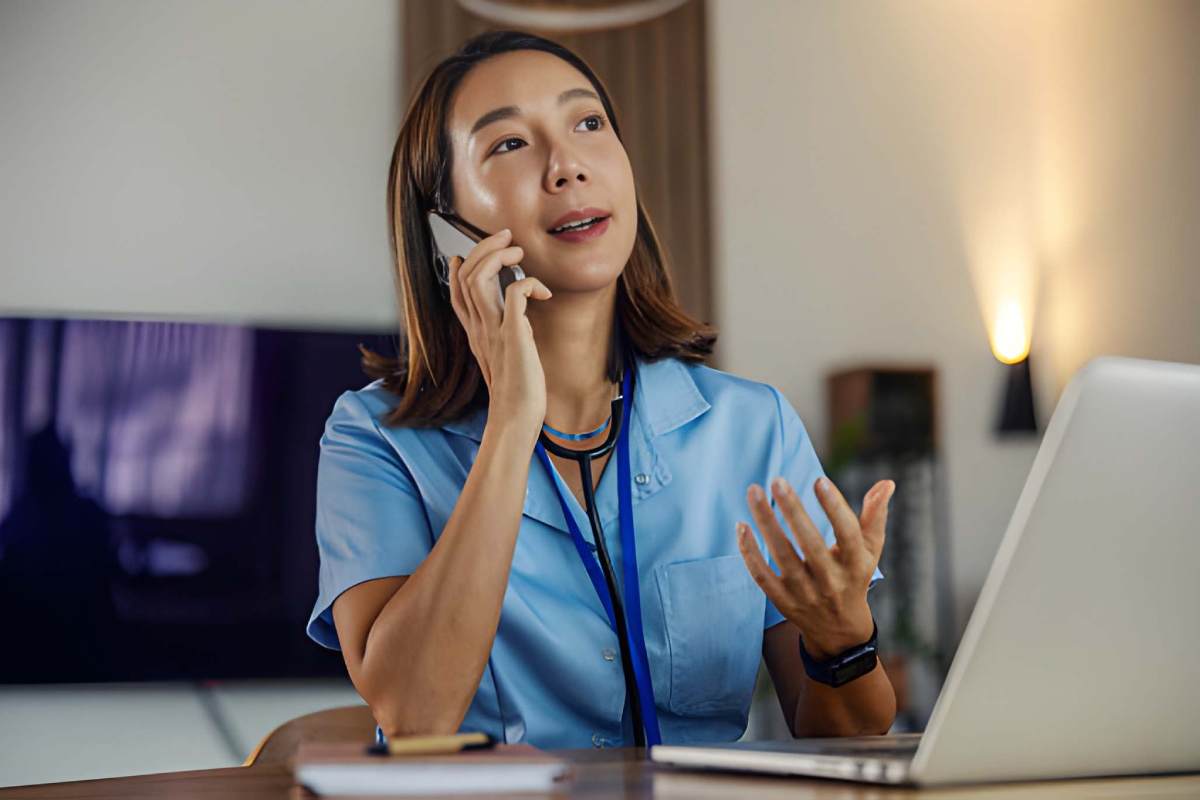

Telemedicine Services: People with diabetes require continuous monitoring, a willingness to make lifestyle changes, and a strong relationship with healthcare professionals.
This condition can place a considerable burden on traditional healthcare facilities, where healthcare professionals are often overwhelmed due to resource shortages.
As in many other sectors, technology has provided a valuable solution to this problem, enabling the development of telemedicine services.
Telemedicine has established as an invaluable tool for the healthcare sector, especially in countries like the United States and Australia.
It is an effective tool that ensures continuity of care and improves patients’ well-being, including those with severe conditions such as diabetes.
Telehealth in Diabetes
Telemedicine utilises digital technologies such as video consultations, mobile applications, and wearable devices to deliver high-quality medical care to patients in the comfort of their own homes.
These digital tools are invaluable for treating severe conditions like diabetes. They help doctors monitor blood pressure and glucose levels.
Healthcare professionals can analyse data to determine the optimal treatment plan for their patients and prescribe necessary medications.
These medications can also be delivered directly to the patient’s home, eliminating the need for an in-person hospital visit for routine checkups.
The United States is among the countries using telemedicine to improve the health of patients with diabetes. However, its adoption of this technology has been slow.
Before the COVID-19 pandemic, the U.S. was hesitant about the effectiveness of virtual care, but strict quarantine regulations forced the healthcare sector to adopt a new service delivery model.
Since the widespread adoption of telemedicine, endocrinologists treating patients with diabetes have been surprised by the high levels of satisfaction and positive feedback.
Studies have shown that patients using telemedicine services receive the same level of care as those who rely on in-person consultations.
Another national survey revealed that 62% of patients consider telemedicine more effective than in-person doctor visits, and 82% intend to continue using it in the near future.
Australia is a Beacon for Telehealth Provision
Australia demonstrates that public policies can foster telemedicine.
In 2020, the country introduced government-subsidised telemedicine services to ensure people had access to quality care during lockdowns.
This was a crucial step, especially for patients with type 2 diabetes, who required regular HbA1c tests every six months to monitor their blood glucose levels.
According to a study of nearly 800 medical practices, more than 80% of patients with type 2 diabetes used telemedicine during the pandemic. This practice was more common among older adults, women, and those living in rural or regional areas.
Government initiatives, such as Medicare-funded telemedicine in Australia, laid the groundwork. However, private providers like DoctorsOnDemand have propelled this sector to the next level.
According to a review of DoctorsOnDemand, the platform offers patients comprehensive access to healthcare services. It’s an ideal service for people with diabetes.
With many services available 24/7/365, DoctorsOnDemand allows patients to consult with medical specialists at any time, even outside of standard business hours.
Technology Helps Patients Manage Diabetes
Technological innovations have become a powerful catalyst for the growth of telemedicine services.
Devices such as incessant glucose monitors (CGMs) and Bluetooth-enabled glucometers now allow patients and healthcare professionals to exchange data in real time.
Instead of patients anxiously waiting for test results, doctors can now review the data quickly and make necessary adjustments promptly.
Platforms that integrate patient-reported health data into telemedicine consultations are also creating new models of healthcare.
These include virtual group sessions for young adults with type 1 diabetes, remote behavioural therapy for families, and monthly digital consultations for patients struggling to manage their blood sugar.
Patients are beginning to understand the importance of technology in diabetes management. Thanks to remote monitoring tools, they no longer need to make long trips to medical centres. Telemedicine saves time and helps patients better manage their health.
Technological innovations have also simplified doctors’ lives, as they no longer need to conduct routine examinations without all the necessary information.
This significantly reduces the weight on the healthcare sector. Decreasing the number of patients seeking treatment for conditions that can be addressed through digital technologies.