
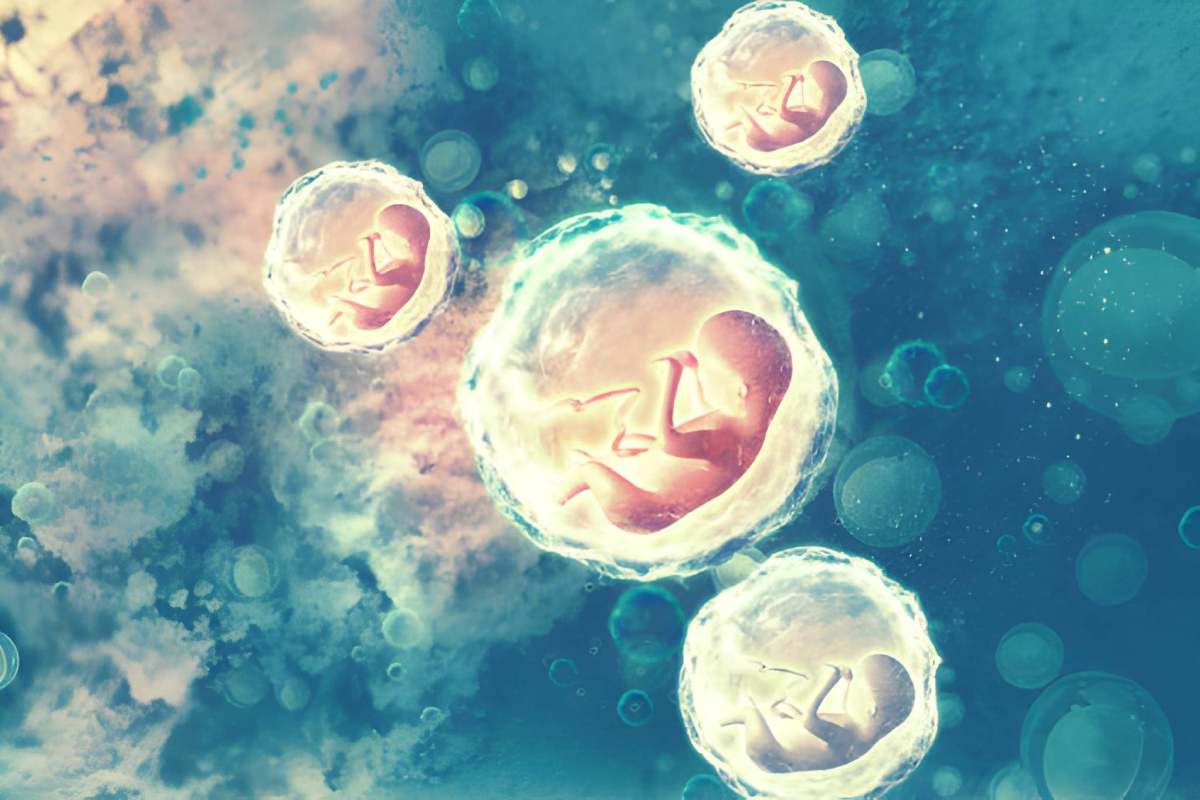

Embryo donation is becoming an increasingly general option for persons and couples who wish to start a family. This process involves the donation of embryos created through in vitro fertilisation (IVF) to individuals or couples who are unable to conceive naturally. The concept of embryo donation raises various ethical, legal, and emotional issues, making it a topic of considerable interest and debate.
What is Embryo Donation?
Embryo donation occurs when individuals or couples who have undergone IVF have surplus embryos that they choose to donate to others. These embryos are typically cryopreserved and can be used by recipients to achieve pregnancy. Recipients may include individuals with infertility, same-sex couples, or single individuals seeking parenthood.
The Process of Embryo Donation
- Donor and Recipient Selection: The process begins with selecting suitable embryo donors and recipients. Donors are typically individuals who have already completed their own families and have remaining embryos. Recipients undergo medical and psychological evaluations to ensure they are suitable candidates for embryo adoption. The cost of sex selection is also a frequent question among couples at this stage, as many wish to understand the financial implications of choosing the sex of their future child.
- Legal and Ethical Considerations: Legal agreements are crucial in embryo donation. These agreements define the human rights and responsibilities of both parties, including parental rights and the future of any children born. Ethical considerations also play a important role, as donors and recipients must address complex emotional and moral issues.
- Medical Procedures: Once the legal matters are settled, the medical process begins. The embryos are thawed and transferred to the recipient’s uterus through a procedure similar to IVF. Success rates vary, but many recipients achieve a successful pregnancy.
Benefits of Embryo Donation
- For Donors: Donors often experience the satisfaction of knowing that their embryos are helping others realise their dream of parenthood. This provides a meaningful use for unused embryos that would otherwise remain frozen indefinitely.
- For recipients: Embryo donation offers individuals and couples the opportunity to experience pregnancy and childbirth. Something not possible with other forms of adoption. It can also be a more reasonable option compared to traditional IVF or surrogacy.
Challenges and Considerations
- Emotional Impact: Both donors and recipients may knowledge a variety of emotions, after joy to anxiety. Counselling with a mental health professional is often recommended to help all parties navigate these feelings.
- Legal Complexities: The legal framework for embryo donation varies by country and region, making it crucial for participants to seek legal advice to understand their rights and responsibilities.
- Ethical Dilemmas: Questions surrounding the embryo’s status, the rights of the donor and recipient, and the child’s future can raise ethical issues that require careful consideration.
Conclusion
Embryo donation is a unique and valuable option for building a family, offering hope to many individuals facing infertility. While this process is not without its challenges, the benefits for both donors and recipients can be immense. As technology advances and societal norms evolve, embryo donation is likely to become an even more integral part of reproductive medicine. All parties involved must approach this process with due consideration of the legal. Ethical, and emotional aspects to ensure a positive outcome for everyone.