
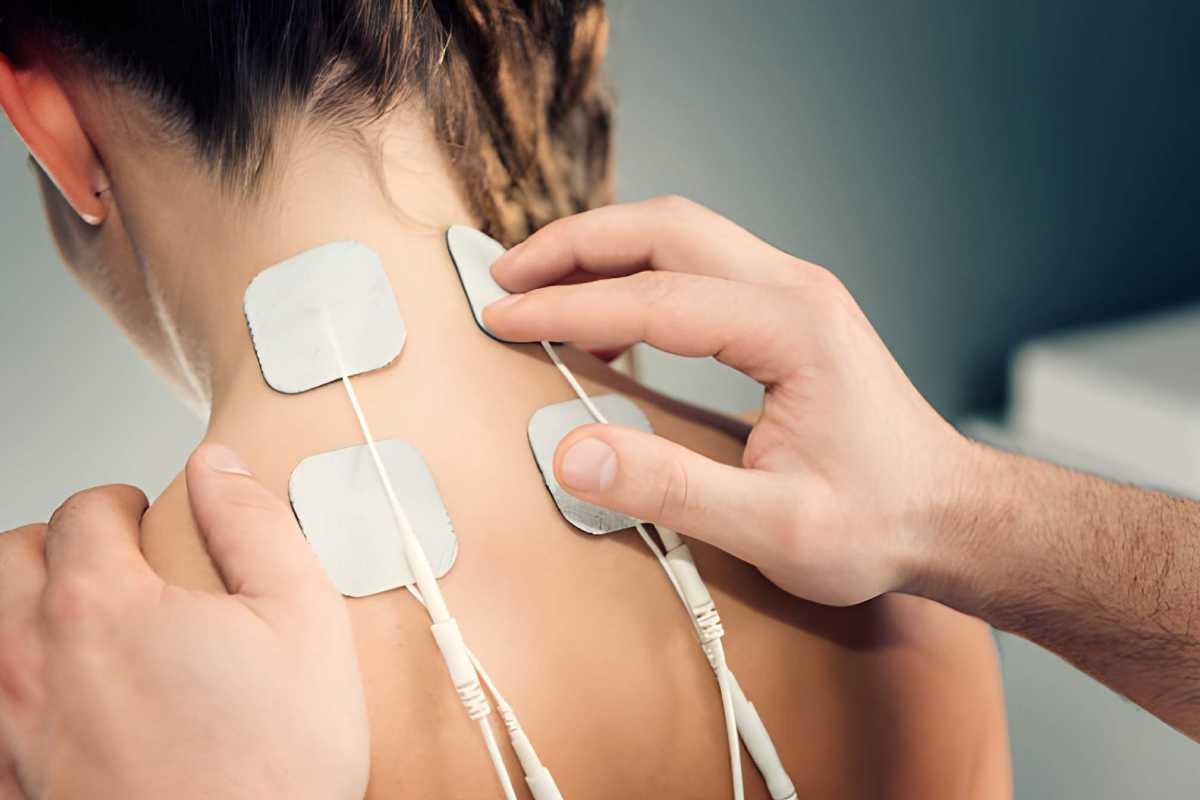

Electrotherapy has become a widely used tool in modern physical rehabilitation. It is used in outpatient clinics, hospitals, and sports medicine. When patients seek non-invasive treatment, evidence-based devices that support pain management, muscle recovery, and functional restoration are essential. Within this ecosystem, Chattanooga Rehab is often cited as a source for electrotherapy devices for rehabilitation.
Electrotherapy is not just a passing trend. It has been the subject of decades of neurological and musculoskeletal research focused on how controlled electrical impulses interact with the body’s natural signalling systems.
How is electrical stimulation used in physical rehabilitation?
Electrical stimulation therapy, also known as e-stim, uses low-intensity electrical currents to activate nerves or muscles. These pulses are designed to mimic the action potentials usually generated by the central nervous system. Generated via surface electrodes, they can induce muscle contraction or interfere with pain signals reaching the brain.
Research shows that neuromuscular electrical stimulation has been effective in restoring muscle function after injury or prolonged immobilisation, especially when the patient’s voluntary movement is limited. Electrical stimulation is not intended to completely replace active movement. Still, it can help compensate for deficiencies when a patient is unable to fully utilise their muscles at the beginning of the recovery process.
How Chattanooga Rehab’s Electrotherapy Devices Support Recovery
When combined with a comprehensive treatment plan, electrotherapy can support rehabilitation by managing pain, improving circulation, retraining unused muscles, and promoting joint movement.
Specific electrotherapy devices can reduce pain signals by interrupting the pain pathways that reach the brain. Additionally, repetitive muscle contractions can help increase blood flow and indorse the distribution of oxygen and nutrients, providing patients with greater comfort. When combined with guided movements, such as physical therapy exercises, electrotherapy can help improve flexibility and range of motion.
Clinicians often emphasise that results are enhanced when electrotherapy is combined with other therapeutic exercises, stretches, and self-relaxation techniques to reduce muscle tension or stress-related tension.
Conditions That Can Benefit from Electrical Stimulation Therapy
Electrical stimulation can be used in a diversity of situations. Some of the most common uses include postoperative recovery, neurological rehabilitation, chronic pain management, and sports recovery.
Following a nerve injury or stroke, electrical stimulation can help stimulate injured or underused parts of the body. Athletes can also use electrical stimulation to manage muscle fatigue and prevent injuries during intense training sessions. Electrical stimulation has diverse applications, especially for those trying to manage mild chronic pain. Results vary depending on the patient’s condition and medical history, but many rehabilitation programs utilise electrical stimulation as a complementary therapy.
How to Choose the Right Electrotherapy Device in Chattanooga
The effectiveness of electrostimulation depends mainly on the quality of the device and professional oversight of the treatment process. For example, clinical devices vary in waveform accuracy and safety limits. Working with a licensed healthcare professional ensures that your treatment plan is closely tailored to your diagnosis, tolerance, and recovery goals.
Educational resources can help clinicians and patients find clinically approved electrotherapy devices suitable for professional rehabilitation settings that require precise control and consistent results.
Frequently Asked Questions
Q1: Is electrostimulation therapy painful?
Most patients report feeling a slight tingling or a rhythmic pulsing sensation. This should not be painful, and any intense discomfort could indicate improper use of the device.
Q2: How long does an electrostimulation session usually last?
Sessions typically last 15-30 minutes, contingent on the treatment goal and the clinical protocol.
Q3: Can electrostimulation be used at home?
There are electrostimulation devices available for home use, but they should only be used under the supervision of a healthcare expert to ensure safety and effectiveness.
Q4: Does electrostimulation replace physical therapy exercises?
No, electrostimulation should not be used as a substitute for any therapy. This method is most effective when used in conjunction with rehabilitation exercises and professional guidance.