
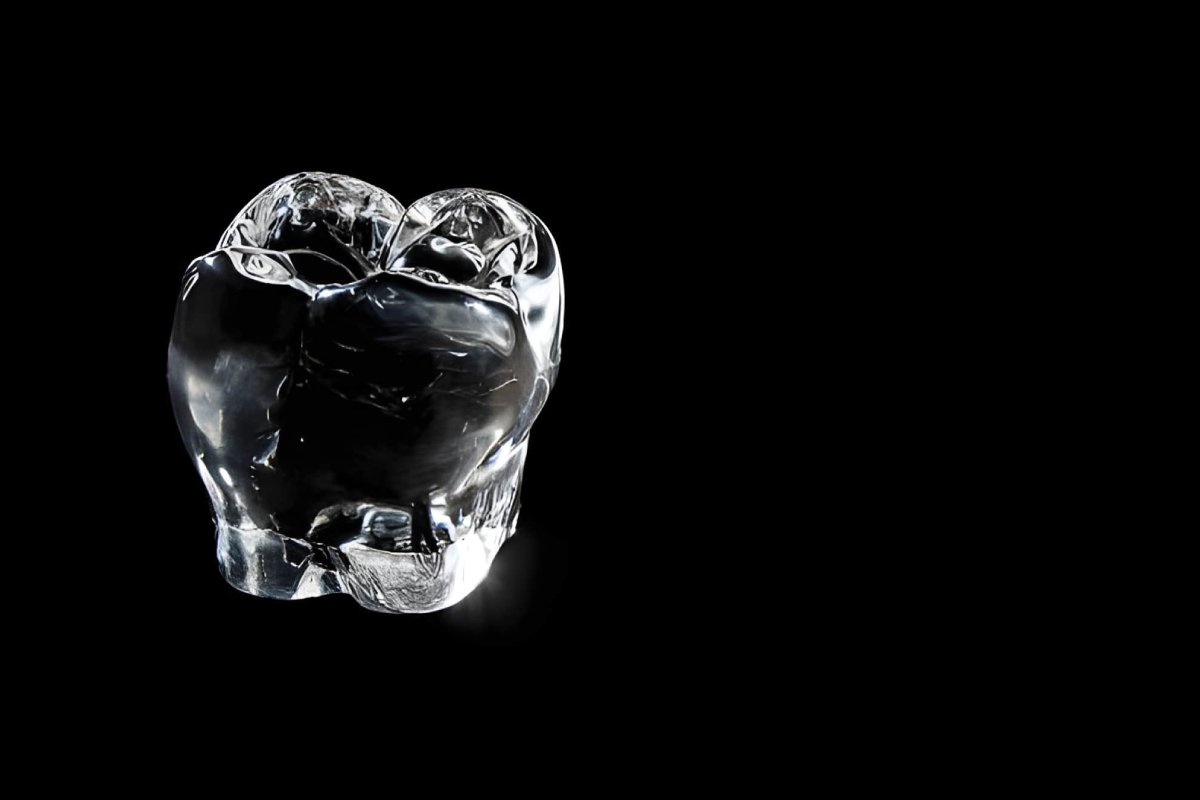

- A diamond tooth gem is a piece of jewellery that is attached to a tooth to create a sparkling smile.
- The application of the gem is a painless procedure performed by a professional dentist.
- A strong, safe dental adhesive is used to bond the gem to the tooth surface.
- With proper oral hygiene, these gems can last for several months or even years.
- The removal process is simple and should also be performed by a professional dentist.
- You can pick from a change of materials, including real diamonds and Swarovski crystals.
Introduction
Trends from the early 2000s are making a comeback, and with them comes a unique sparkle: teeth encrusted with diamonds. This elegant trend in cosmetic dentistry is a fantastic way to personalise your smile. Celebrities like Hailey Bieber and Katy Perry have showcased this style, making it more popular than ever. If you’re considering adding some sparkle to your smile, this is a fun, semi-permanent option that, when done correctly, won’t harm your dental health.
Understanding Diamond Tooth Gems
A tooth gem, also known as a dental jewel, is a small gemstone that is attached directly to the tooth enamel. These tiny adornments are designed to add extra sparkle to your teeth and help you create a truly unique smile. It’s a simple form of self-expression that adds a touch of glamour.
The great thing about this trend is its versatility. You can choose from a variety of designs, from a single, discreet crystal to more elaborate patterns. These little embellishments let you personalise your look in a fun, eye-catching way, highlighting your smile with individuality.
What Makes a Diamond Tooth Gem Unique
Unlike bulky dentures or permanent tooth modifications, a diamond tooth gem offers a subtle yet striking way to enhance your smile. This type of adornment is designed to add a barely noticeable sparkle. Their small size makes these gems an unobtrusive option, perfect for everyday wear.
The first step to a dazzling smile is choosing a design that reflects your personality. Whether you prefer a single crystal on a canine tooth or a more intricate design, there are numerous options. You can find jewellery in a variety of colours and outlines to create a truly unique smile.
It’s this versatility that sets tooth gems apart. They are semi-permanent, meaning you can enjoy your new look without a lifelong commitment. This allows you to experiment with your style and stand out from the crowd in a fun and reversible way.
Types of Stones and Materials Used in Tooth Jewellery
When it comes to decorating your teeth, there are several options for the type of stone you can choose. Crystals for tooth decoration, especially those made from Swarovski crystals, are a very popular and affordable choice. They provide a dazzling sparkle, reflecting light beautifully.
For those seeking something even more luxurious, a diamond or other precious gemstone can be embedded in the tooth. A real diamond possesses unparalleled brilliance and durability, making it a long-lasting option for your smile.
Finally, the choice of material will depend on your budget and desired style. Here’s a brief comparison of the most common options:
| Gem Type | Durability | Cost |
| Swarovski Crystal | Medium | $ |
| Diamond | High | $$$ |
| Cubic Zirconia | Medium-High | $$ |
How Diamond Tooth Gems Are Applied
Installing a tooth gem is a quick, painless procedure. A professional dentist or certified technician at a reputable dental clinic will apply the gem to the surface of your tooth. First, the tooth is cleaned to create a smooth surface that ensures a strong bond.
Then, a safe dental adhesive, similar to the one used for orthodontic braces, is applied. The gem is placed on the adhesive, and a special light hardens and fixes it in place. The entire process is simple and non-invasive.
The Application Process Explained Step-by-Step
Are you wondering how dental jewellery is applied? The application is a simple, step-by-step process that guarantees secure attachment of your new accessory. The first step is always a consultation to discuss the placement and design.
Once you’ve made your choice, the technician will begin the procedure. The procedure involves no piercing or pain, only careful preparation. Here’s a brief overview of the procedure:
- Preparation: The tooth surface is cleaned and polished to ensure proper adhesion of the ornament.
- Bonding: A special dental adhesive is applied to a specific point on the tooth.
- Placement: The ornament is carefully placed onto the adhesive.
- Curing: A light-curing lamp hardens the dental adhesive, securely fixing the ornament to the tooth.
After the process, you will receive aftercare instructions. For the first 24 hours, avoid solid or sticky foods to allow the adhesive to harden fully.
Professional Versus At-Home Methods
If you’ve decided to get dental jewellery, you might find DIY kits available online. While these may seem tempting and inexpensive, the best way to have dental jewellery applied is to consult a professional dentist or a reputable dental clinic.
Professionals are trained to safely apply the jewellery to the tooth surface without causing damage. Improper use of a home kit can lead to several problems:
- Damage to tooth enamel.
- Use of unsafe adhesive.
- A glass that falls off easily.
Choosing a qualified specialist ensures the procedure is performed correctly with high-quality, non-toxic materials. A proficient will also be able to properly assess your teeth’s condition to ensure you are a suitable candidate. For safe, long-lasting results, it is always recommended to consult an experienced specialist.
Safety and Risks of Diamond Tooth Decorations
When diamond inlays are installed by a professional, they are generally considered safe and do not damage tooth enamel. The procedure is non-invasive and does not require drilling, so the tooth structure remains intact. The key to safety is proper procedure execution and maintaining excellent oral hygiene.
However, there are risks if the inlay is installed incorrectly or if oral hygiene is neglected. It is always recommended to consult a dentist or hygienist before installation to ensure your teeth are healthy enough. They will be able to explain how to care for the inlay to protect your tooth enamel.
Effects on Tooth Enamel and Oral Health
One of the main questions many people have is whether dental jewellery will damage their teeth. When installed by a qualified professional, the tooth enamel is not damaged. The adhesive used is similar to that used for orthodontic braces and is designed to be safely removed without altering the tooth surface.
However, oral hygiene becomes even more critical. Dental jewellery can create small gaps where food elements and bacteria can accumulate, potentially leading to plaque buildup if not cleaned adequately. Therefore, preserving excellent oral hygiene is crucial for dental health.
Neglecting to brush and floss around the jewellery can lead to problems. By following correct oral hygiene practices, you can show off your new sparkling adornments while keeping your teeth and gums healthy.
Potential Side Effects and How to Avoid Them
Although placing dental inlays with gemstones is generally safe, it can have potential side effects. These risks are usually associated with improper application or insufficient aftercare. Possible problems include increased tooth sensitivity or discolouration in the area where the stone is placed, especially if adhesive residue remains.
The condition of the tooth before placement is also essential. Placing a stone on a weakened or damaged tooth can lead to complications. The most significant risk is associated with attempts at self-installation, which can result in serious harm.
To avoid these side effects, the following is recommended:
- Always consult a qualified specialist for the installation and removal of a decorated tooth.
- Avoid biting hard food or objects with the decorated tooth.
- Maintain strict oral hygiene to prevent plaque buildup and tooth decay.
Caring for Your Diamond Tooth Gem
To ensure your dental jewellery lasts a long time and your smile remains healthy, proper care is essential. Although caring for them is considered simple, you will need to make a slight adjustment to your oral hygiene routine. Good oral cleanness is the most crucial factor in the longevity of the jewellery, which can range from several months to several years.
When you decide you no longer want to wear the jewellery, a dentist should remove it. They will be able to carefully remove the jewellery and polish away any remaining adhesive, restoring the tooth’s original surface.
Maintenance Tips for Longevity and Sparkle
To ensure your dental jewellery always looks its best, proper care and maintenance are essential. With proper care, your dazzling smile can last 6 months to several years.
Good oral hygiene is the foundation of the longevity of your dental jewellery. Continue brushing and flossing your teeth daily, paying special attention to the area around the jewellery to prevent plaque buildup. Gentle handling is key to ensuring the jewellery is securely fixed.
For best results, follow these simple tips:
- Gently clean the area around the stone with a soft toothbrush.
- Avoid using abrasive toothpaste.
- Do not bite hard food directly with the tooth that has the stone.
- Make a point of visiting your dentist regularly for check-ups to keep your teeth healthy.
Conclusion
In conclusion, diamond tooth inlays offer an exceptional way to enhance your smile and reflect your personal style. By understanding the installation process, safety precautions, and proper care, you can enjoy their sparkle without compromising your oral health. Whether you’re considering this trend for a special occasion or want to add a touch of glamour to your everyday look, making informed decisions is crucial. If you’re ready to enhance your smile stylishly, don’t hesitate to contact us for more information or to schedule a consultation!