
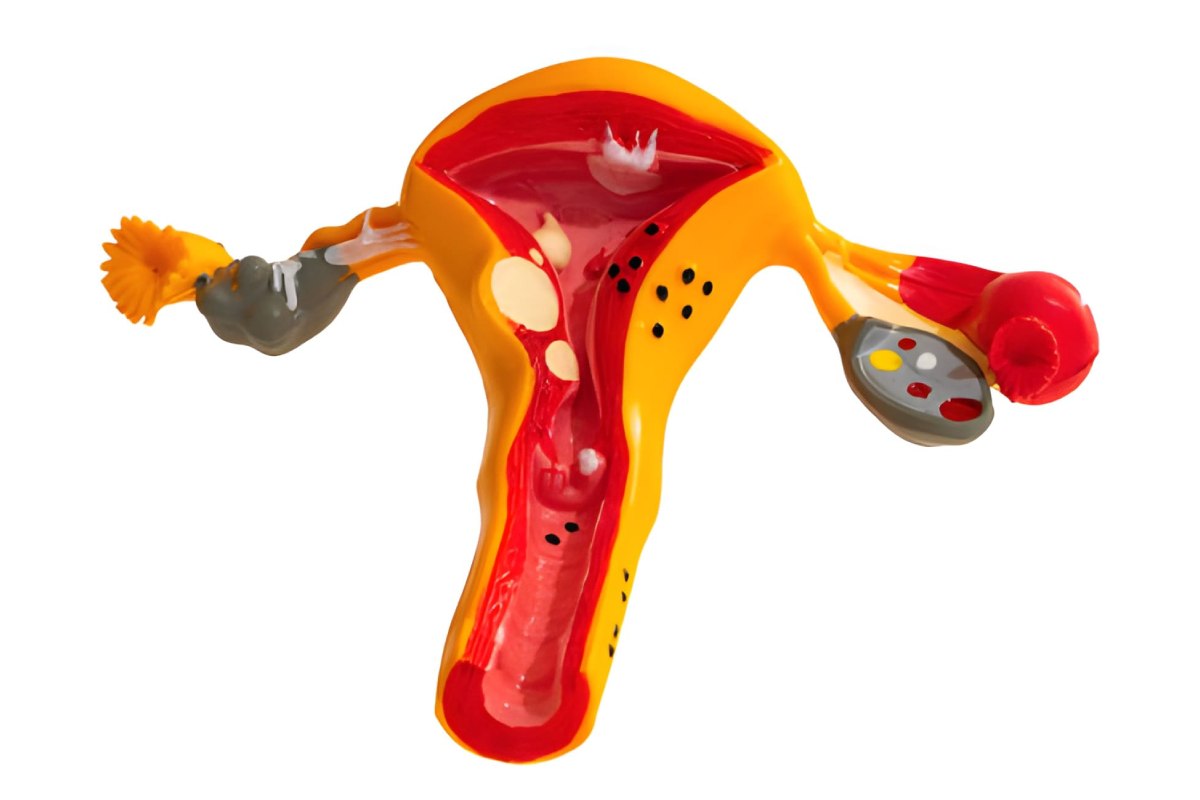
The concept of virginity has been a topic of debate for centuries and remains, even today, a source of confusion and controversy. For many years, the hymen served as the physical symbol attesting to a woman’s virginity. However, numerous myths and fallacies surround this topic and deserve clarification. In this article, we will inspect the traditional association between virginity and the hymen, and explore what modern science has to say on the matter.
Myth #1: The hymen ruptures solely during the loss of virginity.
Reality: The myth that the hymen serves as a sign of virginity has been the topic of extensive discussion and debate for many years. However, this myth is unfounded. In reality, the hymen is a thin skin that partially covers the vaginal opening. This delicate layer of tissue can rupture or tear during various activities, such as sexual intercourse, the use of tampons, physical exercise, masturbation, and even childbirth. Therefore, the condition of the hymen does not necessarily indicate whether or not a person has previously engaged in sexual intercourse.
In some cases, an intact hymen might suggest that the individual has not yet participated in certain types of activities; however, this does not constitute irrefutable proof of virginity—nor of its absence. Furthermore, for those whose hymen has ruptured before marriage—for instance. While playing sports—there are various methods available to reconstruct this tissue, should they wish to do so.
Myth #2: Bleeding Proves the Loss of Virginity
Reality: The loss of virginity is a common concern among young people today. And many wonder how to determine whether they have lost their virginity. Frequently, this is determined by looking for signs of bleeding. The concept of virginity is complex to grasp and is the subject of heated debate across all strata of society. In some cultures, it is believed that during her first sexual encounter. A woman will bleed due to the rupture of her hymen. This bleeding is then regarded as proof that the woman has lost her virginity. However, this belief is not necessarily well-founded. A woman can bleed after having sex—even if she is not a virgin—due to various factors, such as:
- Lack of lubrication
- Hormonal imbalances
- Infections or irritation
- Side effects of certain medications
- Trauma or injury to the genital area
Furthermore, some women may not bleed at all during their first sexual experience, regardless of their virginity status. It is important to recognise that virginity is a social construct devoid of any physical markers. And that bleeding should not be used as the sole indicator of a woman’s sexual history.
Myth #3: Hymen Reconstruction Restores Virginity
Reality: The myth that hymen reconstruction surgery can restore virginity has persisted for generations. Hymen reconstruction is a procedure in which the hymen—a thin membrane located near the entrance of the vagina—is reconstituted or restored to its original state. Although widely accepted as a means of regaining virginity, this notion is entirely false.
The surgical procedure intended to reconstruct the hymen has absolutely no effect on a woman’s sexual status; it addresses only the physical aspects of the body and in no way alters the number of sexual partners she may have had in the past. In other words, it does not restore virginity, as virginity itself is not something that can be surgically repaired. The only thing this procedure achieves is the creation of an artificial membrane that resembles an intact hymen and may cause slight bleeding during subsequent sexual intercourse.
In conclusion
The hymen is not necessarily synonymous with virginity. As the hymen can rupture without any sexual activity having taken place. This suggests that the hymen should no longer be regarded as a sign of chastity or virginity. But rather as an anatomical structure with little to no relevance regarding a person’s sexual history. Society must liberate itself from the misconception that the presence or absence of a hymen determines an individual’s moral character or virtue.