
When thinking about the places where people receive healthcare—clinics, speciality centres, and hospitals—certain cities often stand out for their strong commitment to education and healthcare services.
Denver is one of those places. It is home to a growing community of students and healthcare professionals who want to make a difference, especially in nursing. As more people seek careers in healthcare, the need for high-quality nursing programs and hands-on training continues to grow.
Many schools in the Denver area focus on preparing prospective nurses through practical learning, community engagement, and patient-centred education, all of which help them understand the complexities of modern healthcare.
Today, when you enter any healthcare facility, you are entrusting yourself with more than just the treatment you receive; you rely on professionals to guide, support, and advocate for you every step of the way. Nurses often become the people you interact with most frequently, whether to ask questions, seek reassurance, or discuss a diagnosis. Their role has expanded beyond traditional bedside care, and recognising this evolution underscores the importance of nursing education and training for our changing healthcare system.
As healthcare increasingly focuses on prevention, coordination, and holistic well-being, the need for skilled, well-trained nurses continues to grow.
This naturally leads us to understand how education and practical training shape the modern nursing profession.
The Foundations of Modern Nursing: Education, Training, and Preparation
Nurses today must be prepared for a wide range of responsibilities, from patient care to using electronic health records and understanding emerging healthcare challenges. Nursing education plays a key role in structure this readiness. Programs that focus on practical experience, evidence-based learning, and practical skills help individuals enter the field with confidence and competence. Nursing schools base their curriculum on clinical instruction, direct patient contact, and a solid understanding of modern healthcare needs. An institution like the Denver College of Nursing, for example, offers specialized programs designed to help students develop the skills necessary to provide safe, knowledgeable, and compassionate care from their first day on the job.
These programs emphasize the importance of practical training, critical thinking, and patient communication—all key aspects of modern nursing. By having access to this type of foundation, nurses will be better prepared to support patients at every stage of care. The training not only teaches them techniques but also helps them connect with patients, collaborate with other healthcare professionals, and adapt to changing medical environments. This training becomes the backbone of every role nurses play throughout their careers.
The Many Roles of Nurses in Patient Care
As a patient, you experience firsthand the importance of nurses in your overall experience. They are often the first to greet you, monitor your progress, and take the time to explain your treatment. Nurses often connect physicians with patients by translating medical instructions into easy-to-understand information. They also monitor symptoms, coordinate care tasks, and provide emotional support during difficult times.
Beyond these responsibilities, nurses pay attention to detail, which helps prevent errors and improve treatment outcomes. Whether they are monitoring vital signs, preparing medications, or coordinating tests, nurses serve as advocates and guides. Their ability to connect with patients while managing complex care tasks makes them invaluable in any healthcare setting.
Nursing Staff as the Pillar of Care Coordination
Today’s healthcare requires collaboration, and nursing staff are often the ones who ensure connections among all team members. They may not witness the coordination behind the scenes, but nursing staff interact with lab technicians, therapists, specialists, and family members to ensure that everything is going smoothly. They assist patients with transfers between departments, manage post-procedure instructions, and maintain ongoing updates on patient status.
Good care coordination prevents complications, reduces unnecessary hospitalisations, and ensures that patients feel supported rather than overwhelmed. When nursing staff are empowered to manage these components, the entire healthcare system functions more efficiently.
The Impact of Technology on Nursing Practice
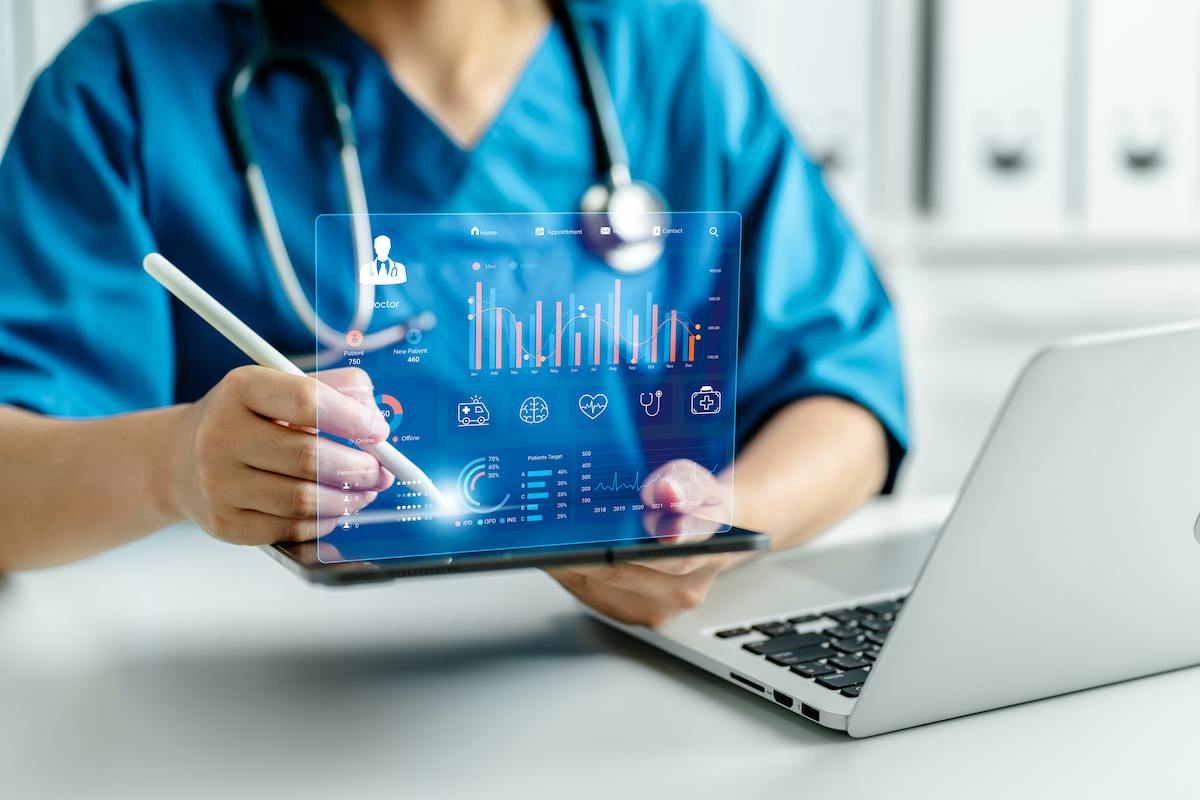
Technology has become a fundamental part of modern healthcare, and nursing staff continue to use it. From updating electronic health records to monitoring digital devices and supporting telehealth consultations, nursing staff must be comfortable using digital tools. As a patient, this means your information is more organised, your care is more accurate, and communication between teams is more reliable.
Telehealth also allows nursing staff to reach people who don’t consume easy access to in-person care. Whether helping manage chronic conditions or offering remote guidance, nursing staff are using technology to improve convenience and accessibility. This change requires ongoing learning and adaptability, which is why a strong academic background is even more important.
Specialization and Highly Specialized Nursing Roles
Nursing continues to expand into specialised fields, offering more opportunities for personalised care. Pediatric nurses comprehend the unique needs of children. Geriatric nurses support older adults with specific health conditions. Oncology nurses guide patients through cancer treatment, while mental health nurses support emotional and behavioural well-being.
Many nurses continue to perform advanced roles, such as nurse practitioners, nurse educators, or nurse anaesthetists. These careers require more in-depth training and allow them to take on leadership roles, provide specialised care, and shape the future of healthcare. Specialization enhances patient care by giving them access to professionals who understand their specific health challenges.
The Emotional Effort and Resilience of Nurses
Nursing involves more than just technical skills. It also requires emotional strength, compassion, and the ability to remain calm in difficult situations. Nurses support patients through some of the most difficult moments of their lives. They comfort worried families, respond quickly to emergencies, and remain calm in stressful environments.
Because of this emotional burden, resilience is becoming an essential part of nursing. More and more workplaces are focusing on providing support systems, wellness programs, and mental health resources to help nurses manage the demands of their jobs. When supported, they can provide care with patience, empathy, and energy.
When you look at the healthcare system as a whole, nurses are at its core. They care for patients, coordinate treatment plans, utilise technology, support emotional needs, and guide families through difficult decisions. Their training prepares them not only to perform tasks but also to be the constant, compassionate presence that patients expect.
The essential role of nurses continues to expand as healthcare becomes more complex. Their dedication, skills, and personalities strengthen every part of the system. Whether supporting patients individually or contributing to broader changes in healthcare, nursing staff remain the backbone of compassionate and effective care, and the future of healthcare depends on the profession’s strength.