
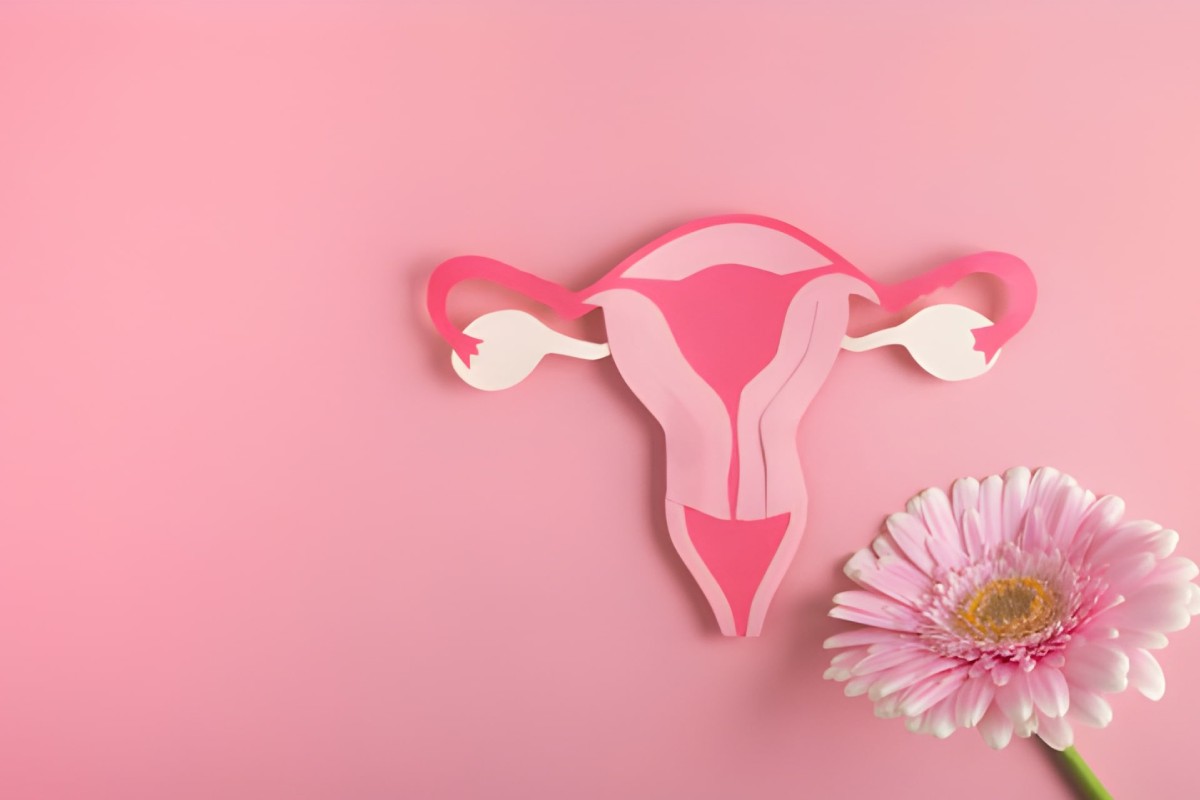
Vaginal health is an important aspect of a woman’s overall health. Vaginal dysfunction can affect fertility, sex drive, orgasm, and more. It can significantly impact relationships and undermine self-esteem.
Various factors, such as poor hygiene, medications, tight clothing, and pregnancy, can affect vaginal health. Vaginal discharge with an unpleasant odour is a sign of an imbalance in vaginal health. While hygiene plays a vital role in maintaining vaginal health, diet also contributes significantly to maintaining vaginal pH balance.
A pH imbalance allows harmful vaginal bacteria to proliferate and creates favourable conditions for bacterial or yeast infections. Douching can only mask unpleasant odours; it doesn’t cure vaginal infections. In fact, it reduces acidity and disrupts the vaginal flora. The best way to maintain a healthy pH balance is to consume foods that promote vaginal health. Foods that encourage healthy bacteria make vaginal discharge slightly acidic, which is essential for vaginal health.
The Best Products for Vaginal Health
It is often mistakenly believed that douching is the best way to maintain vaginal health. Douching can disrupt the vaginal pH, which should be maintained between 3.8 and 4.5. Avoid using harsh soaps to cleanse your vagina if you want to maintain a balanced pH.
While the vagina is capable of self-cleaning and protecting itself, proper vaginal care, such as good hygiene, regular gynaecological visits, safe sex, etc., is crucial for maintaining vaginal pH balance. Staying hydrated, adjusting your diet, and incorporating foods rich in lactobacilli also helps.
However, nutrition is equally important for the overall health of the body, including the vagina. Some foods help maintain a balanced vaginal pH, and others help keep it hydrated. While there is no one-size-fits-all diet, here are some recommended foods for optimal vaginal health.
1. Sweet Potatoes
Sweet potatoes are rich in vitamin A and beta-carotene, which help maintain healthy mucous membranes. This is important for preventing bacterial vaginosis (BV), a very common vaginal infection. Vitamin A deficiency, combined with deficiencies in vitamins C, D, E, beta-carotene, calcium, and folate, increases the risk of bacterial infections.
Women with PCOS (polycystic ovary syndrome) often experience insulin resistance. Sweet potatoes are rich in fibre, which helps regulate insulin levels and supports fertility. Start your day with a sweet potato breakfast to get a sufficient dose of vitamin A.
2. Probiotic-Rich Foods
The lactobacillus strains present in probiotic-rich foods are just as important for vaginal health as they are for gut health. These strains help reduce the symptoms of bacterial vaginosis and can also be used as a treatment for BV. They inhibit the growth of harmful bacteria and help maintain vaginal pH balance. Research has shown that probiotic-rich foods, such as yoghurt, tempeh, yeast, pickles, sauerkraut, and miso soup, help prevent bacterial vaginosis, reduce symptoms like odour and vaginal discharge, and prevent the infection from recurring.
3. Cranberry Juice
100% cranberry products are rich in antioxidants and acidic compounds, excellent for treating urinary tract infections (UTIs). They fight infections and prevent bacteria from adhering to the bladder wall. Unsweetened cranberry juice and cranberry supplements are especially helpful for treating UTIs in women. They also contain vitamins C and E, which strengthen the immune system and improve vaginal health.
4. Low-Glycemic Foods
Bacterial vaginosis (BV) is one of the most common gynaecological conditions in women. Low-glycemic index (GI) foods help prevent symptoms of this condition, such as vaginal odour, itching, burning, and discharge. Bloating and redness are also common symptoms. The main cause of this infection is an imbalance in the vaginal flora. BV makes you more susceptible to sexually transmitted infections.
Including low-GI foods in your diet can help control blood sugar levels and prevent bacterial vaginosis (BV). Low-GI foods include:
- Milk
- Nuts, pulses, and legumes
- Carrots and non-starchy vegetables
- Oats, barley, and quinoa
- Grapefruit, oranges, and apples
- Yogurt
5. Foods Rich in Vitamin D
Vitamin D is a key nutrient that helps maintain vaginal health. Include eggs, sardines, cheddar cheese, vitamin D-fortified milk, and cooked salmon and trout in your diet to get enough of this vitamin. If incorporating these foods into your diet for vaginal health proves difficult, vitamin D supplements may be helpful.
Studies have shown that vitamin D helps reduce vaginal dryness, maintain vaginal pH balance, and promote cell proliferation and diversity in the vaginal lining of menopausal women.
Vitamin D also helps improve overall vaginal health by strengthening the immune system.
6. Soy and Soy Products
Women with low estrogen levels benefit from consuming soy. Soy contains phytoestrogens, which have a similar composition to estrogen. These phytoestrogens help maintain vaginal health. Decreased estrogen levels can be due to various factors, including age, medications, and menopause. However, the primary cause of hypoglycemia is vaginal dryness.
Consuming unprocessed soy products helps muscles retain more water, and the isoflavones they contain are beneficial for the skin of postmenopausal women. They help minimise vaginal dryness.
7. Avocado
Avocados are rich in healthy fats, potassium, and vitamin B6, which help increase estrogen levels, improve vaginal lubrication, and strengthen vaginal walls. Thanks to all these positive effects, plus another benefit of avocados—increased libido—you can enjoy a fulfilling sex life.
8. Leafy Green Vegetables
Leafy green vegetables offer numerous health benefits, including for vaginal health. Dark green leafy vegetables purify the blood. The nitrates present in leafy green vegetables dilate blood vessels and improve circulation throughout the body, including the vagina. Better circulation will help prevent vaginal dryness and increase libido. The vitamins E, calcium, and magnesium present in leafy green vegetables promote overall muscle health, including vaginal muscle health.
Foods to Avoid for Better Vaginal Health
When caring for your vaginal health, it’s important to limit or eliminate certain foods from your diet. These include:
Foods high in sugar, red meat, refined grains, and organ meats increase the risk of bacterial vaginosis.
Foods with a low glycemic index are also recommended, such as white bread, bagels, white rice, sugar, honey, and processed grains like instant oatmeal, sugary cereals, and snacks.
Conclusion
A characteristic vaginal odour is not usually considered a sign of disease. However, if you experience an abnormal vaginal odor and discharge, it could be a symptom of an infection. In this case, you should consult a doctor to rule out any underlying medical condition.
Various factors, such as diet, hygiene, sexual activity, etc influence vaginal pH balance and odor. However, adjusting your diet to achieve positive results is crucial for vaginal health.
Probiotic foods help rebalance the vaginal microbiota, apples help maintain vaginal lubrication, and fibre-rich foods help prevent bacterial vaginosis. The quality of your diet directly influences your vaginal health. Include the foods mentioned above in your diet to prevent vaginal infections and maintain overall vaginal health.
Frequently Asked Questions About Vaginal Health
Q. What foods are considered beneficial for vaginal health?
Foods that help maintain vaginal pH balance, provide hydration, and prevent vaginal infections are beneficial for vaginal health. These include high-fibre foods, probiotic-rich foods, vitamin D-rich foods, low-glycemic foods, and minimally processed foods.
Q. What foods can disrupt vaginal pH balance?
Foods that cause vaginal pH imbalances are those that increase the body’s acidity. The following foods should be avoided:
- Sugar
- Certain dairy products
- Processed foods
- Fresh and processed meats, such as turkey and corned beef
- Sugary drinks and sodas
- High-protein foods and protein supplements