
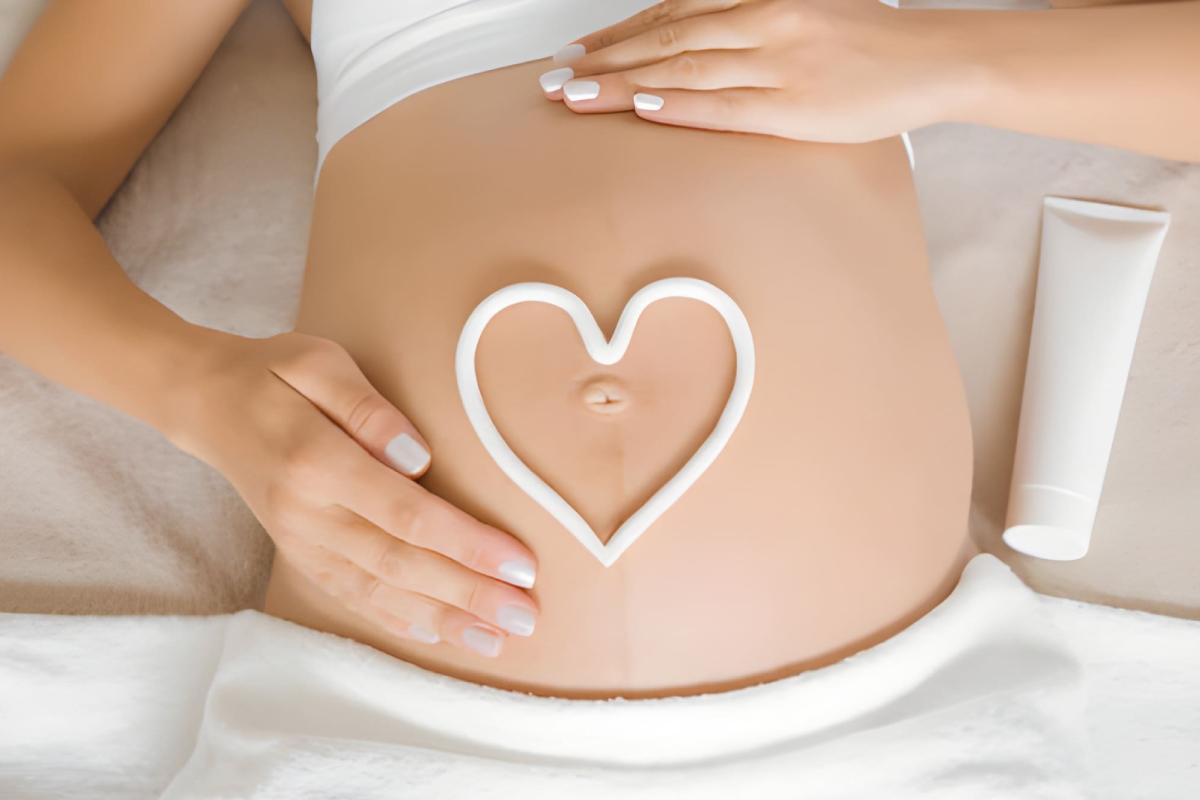
Skin care during pregnancy: Many skincare products are not suitable for pregnant women, but they can be replaced with safe alternatives. Learn the most essential information about skin care during pregnancy with us.
Many pregnant women are conscious of the impact of food, drinks, and certain medications on their baby’s health, but few consider the effects of skincare products.
Therefore, it’s essential to know that some skincare products can penetrate the body and cross the placenta, affecting the baby’s health.
Pregnant women should reassess their daily skincare routine and use safe products to address any new skin concerns that may arise during this period.
Skin Problems During Pregnancy and How to Treat Them
Pregnant women are prone to many skin problems, so they should consult their doctor to choose a safe and effective treatment, including:
1. Acne
Common skin problems during pregnancy, especially acne around the mouth and chin, can persist if left untreated throughout the pregnancy and even after delivery.
Topical sulfur-based products or home remedies with peels can be used; if these don’t work, erythromycin cream can be used as well.
2. Melasma
Also known as the “mask of pregnancy,” this can appear due to pregnancy hormones or frequent sun exposure.
Some pregnant women may also experience melasma that appears in the areas around the nipples or between the thighs. Melasma can be alleviated by avoiding sun exposure, applying a pregnancy-safe sunscreen, and using topical vitamin C products.
3. Stretch Marks
You can treat these with skin creams that prevent the appearance of stretch marks, provided they are safe during pregnancy, and you can also use natural ingredients such as cocoa butter.
Skin Care Products to Avoid During Pregnancy
When caring for the skin of pregnant women, it is optional to avoid products containing these ingredients:
1. Retinoids
Also called tretinoin, a type of vitamin A that causes congenital disabilities in the fetus, retinoids are found in:
Pigmentation treatments
Anti-aging moisturizers
Acne treatments
Plaque psoriasis treatments
2. Hydroxy Acids
In skin care during pregnancy, these acids are found in skin treatments, as well as in cleansers, toners, and exfoliants. Some examples of these acids are:
Beta hydroxy acid (BHA): The most popular of these types is salicylic acid.
Alpha hydroxy acid (AHA): The most popular are glycolic acid and lactic acid.
3. Hydroquinone
Hydroquinone is used to lighten skin and treat pigmentation, but it can cause congenital disabilities in the baby, so its use is not recommended.
4. Phthalates
Commonly found in cosmetics and possibly in some personal care products, a study has suggested a link between hormonal generative dysfunction and phthalate exposure.
5. Formaldehyde
It is rarely used as a preservative or disinfectant because it is carcinogenic, but some cosmetic ingredients can release formaldehyde, such as sodium bromide and hydroxy-like glycinate.
6. Oxybenzone and its derivatives
Present in sunscreens, it can affect hormones and cause harm to both the mother and the baby. An animal study has suggested that exposure to oxybenzone in the amounts commonly used by humans can cause enduring changes in the mother’s mammary glands.
It has also been linked to permanent damage to the fetus and the development of neurological conditions in adulthood, such as Alzheimer’s disease.
Skincare Tips During Pregnancy
Includes:
For skincare during pregnancy, be sure to use a safe sunscreen and avoid direct sunlight exposure.
It is recommended to use a gentle soap and moisturiser, and avoid scrubbing your body daily.
Keep your body clean by showering daily, as sweating and feeling hot increase during pregnancy.
Consult your dermatologist regularly if you have any skin conditions such as eczema or psoriasis.
Therefore, get enough restful sleep, as it helps maintain healthy skin.